 Skip to content



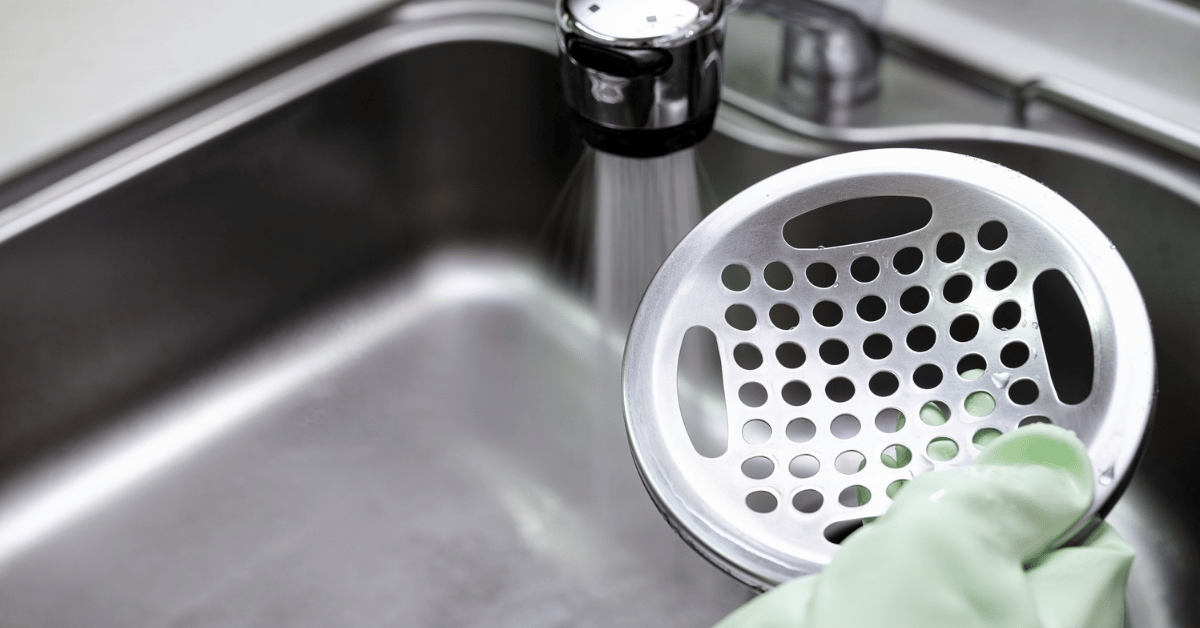
Keeping your kitchen running smoothly often comes down to small but important details. One such detail is the sink strainer. While it may not get as much attention as appliances or countertops, a reliable kitchen sink strainer protects your plumbing, prevents clogs, and saves you from costly repair services. Choosing the right type of sink strainer makes daily cleaning easier and extends the life of your plumbing system.
This guide explains the five types of kitchen sink strainers, their unique benefits, and what to consider when selecting the right one for your home.
Why a Kitchen Sink Strainer is Essential
Your kitchen sink handles leftover food, grease, peels, and even small items that accidentally fall into the sink drain. Without a drain strainer for the kitchen, these particles can clog the drain pipes, cause foul odors, and eventually require expensive plumber intervention.
Using a strainer is one of the easiest ways to keep your sink area clean, block the drain hole, and protect your plumbing system. Just as regular HVAC maintenance prevents breakdowns, installing the right sink strainer prevents clogging and keeps your kitchen more hygienic.
The 5 Types of Kitchen Sink Strainers
Not all sink strainers are the same. Each design has its own function, material, and level of durability. Below are the five types of kitchen sink strainers every homeowner should know:
1. Double-Cup Strainer
A double cup strainer has two cups: the inner cup catches food particles, while the outer cup blocks smaller debris.
Benefits of a double cup strainer:
- Provides an extra layer of protection for your drain pipes.
- Easy to clean and maintain.
- Works well in busy kitchens where large amounts of food particles are washed daily.
2. Basket Strainer
A basket strainer resembles a small perforated basket that sits inside the sink drain.
Benefits of a basket strainer:
- Catches debris before it can block the drain opening.
- Simple to lift, empty, and clean.
- Prevents valuables like rings or spoons from slipping into the bottom of the sink drain.
Basket designs are among the most easy to install and easy to clean, making them popular in family kitchens.
3. Stopper Strainer
A stopper strainer combines two functions: it works as a strainer and a stopper. With a twist or push, it can block the drain so the sink fills with water.
Benefits of a stopper strainer:
- Offers a stopper function and a strainer in one.
- Convenient for soaking pans or washing dishes.
- Saves space compared to having a separate rubber stopper and strainer.
This is a versatile choice for homeowners who want both straining and stopper function without extra parts.

4. Flange Strainer
A flange strainer fits tightly into the drain opening, sealing the tailpiece with a secure flange and nut strainer.
Benefits of a flange strainer:
- Long-lasting and durable.
- Often made from stainless steel or brass strainers for strength.
- Provides a polished look for modern stainless steel sinks.
Its secure fit helps prevent leaks at the bottom of the sink and keeps the plumbing system reliable.
5. Level Strainer (Lift-and-Turn)
The level strainer, also known as a lift-and-turn design, uses a knob you twist to control water flow.
Benefits of a level strainer:
- Lets you manage water flow easily.
- Convenient for households that frequently fill and drain sinks.
- Offers durability in both cast iron sinks and modern setups.
Key Benefits of Using the Right Sink Strainer
A sink strainer isn’t just about blocking scraps; it’s an investment in keeping your home safe from leaks, odors, and costly repairs.
- Prevents clogs and keeps your sink with water flowing smoothly.
- Saves money by reducing the need for frequent plumber calls.
- Keeps your kitchen hygienic and odor-free.
- Helps you keep your kitchen clean and avoid bacteria buildup.
- Extends the lifespan of your plumbing system by reducing grease and debris.
How to Choose the Right Kitchen Sink Strainer
When selecting a strainer, consider:
- Sink size and drain opening – Most strainers fit 3.5 and 4.5 inches, but measure carefully.
- Material – Choose stainless steel basket or brass strainers for durability. ABS plastic or silicone options are more affordable but less long-lasting.
- Cooking habits – Busy households benefit from mesh sink strainers or basket strainers.
- Ease of cleaning – A mesh strainer for the kitchen sink is easier to clean but may wear out faster.
- Plumbing system – For older plumbing or frequent clogs, investing in a premium strainer or reliable drain strainer helps keep the system healthy.

Maintenance Tips for Kitchen Sink Strainers
Once you select a new kitchen sink strainer, maintaining it is simple:
- Clean the sink and strainer daily to prevent buildup.
- Use vinegar and baking soda weekly for natural cleaning.
- Avoid harsh chemicals that damage flanged or threaded parts.
- Check the tailpiece and drain tailpiece for leaks.
- Replace a sink strainer if the seal loosens or cracks.
With proper care, even mesh strainers stay clog-free and reduce plumbing costs in the long run.
Final Thoughts
A kitchen sink strainer might look like a small part of your home, but it plays a vital role in keeping your kitchen sink drains working smoothly. Whether you choose a basket strainer, a flange strainer, or a stopper strainer, the right choice will protect your plumbing system, reduce the risk of clogs, and keep your kitchen clean.
Like all plumbing components, strainers for kitchen setups require the right fit, material, and maintenance. Selecting a sink strainer that matches your sink’s size and your household’s needs is essential for long-term reliability.
Visit Platinum HVAC for Professional HVAC Contractor