 Skip to content



Causes Of Low Water Pressure: When you turn on your faucet or shower, you expect strong and steady water flow. But when water pressure in your home drops to a weak trickle, it disrupts everyday routines and may even point to bigger plumbing issues. The cause of low water pressure can range from clogged water pipes to problems with your water supplier. If left unchecked, these low water pressure issues may require costly repair, cleaning, or installation of new equipment.
In this article, we’ll explore the 6 causes of low water pressure and how to fix them. You’ll learn the common causes of low water flow in a whole house, how to identify the reason for low water pressure, and the steps you can take to improve your water pressure.
What Are the Common Causes of Low Water Pressure?
Understanding the common causes of low water pressure is the first step in finding a solution. A pressure regulator is failing, a hidden leak, or even a problem with the municipal water supply can all cause low water pressure.
Some possible causes include:
- Partially closed water meter valve or main house shutoff valve
- Sediment buildup and clogged water pipes
- Leaks that restrict the flow of water
- Old galvanized steel water pipes that corrode and reduce your water pressure
- Fluctuations in the local water utility supply
By knowing these factors, you can check the water system in your home and fix the low water pressure before it leads to more serious water damage.
How Does a Pressure Regulator Affect the Water Pressure in Your House?
The pressure regulator is a small device that controls the water pressure entering your home. When it fails, you might notice a sudden drop in water pressure across your whole house.
Signs your pressure regulator is failing include:
- Pressure drops across every faucet at the same time
- Sudden change in water pressure while running taps
- Whistling or banging noises in the pipes when water comes
If your pressure regulator is failing, a plumber will attach a water pressure gauge to measure the water pressure entering your home. If the pressure is low or inconsistent, replacement is usually the only solution. Attempting to adjust the pressure on your own may further reduce your water pressure.
Can Clogged Water Pipes Cause Low Water Pressure?
Yes. One of the most frequent reasons for low water pressure is buildup inside pipes. Sediment, rust, and debris restrict the volume of water, leading to reduced water flow.
Signs of clogged pipes include:
- Weak flow in one faucet or shower
- Uneven pressure in the house
- Water takes longer to fill sinks or tubs
How to fix the issue:
- Perform pipe cleaning to remove sediment
- Replace old galvanized steel water pipes with PEX or copper
- Install a water softener in homes with hard water
Clogged water pipes not only cause reduced water pressure but also increase the chance of leaks, which can lead to significant water damage if not repaired.
How Do Leaks Lead to Low Water Pressure Issues?
Leaks are another cause of low water pressure. When water comes out of a broken joint, it lowers the volume of water reaching faucets and fixtures.
Common signs of leaks:
- Mold or mildew growth on walls and ceilings
- Higher-than-usual water usage and bills
- Damp areas near the water line or supply pipes
Fixing leaks:
- Turn off the water supply and inspect visible pipes
- Call a plumber for professional leak detection and repair
- Replace damaged sections with a new water line installation if necessary
Leaks also risk damaging your water heater or HVAC systems if not handled promptly.
Can the Water Meter or Valves Restrict the Water Flow?
A partially closed water meter valve or main water valve can restrict the water flow, leading to reduced water pressure. Even a small turn can affect your whole house.
How to fix low water pressure from valves:
- Check the water meter near the street and ensure it’s fully open
- Locate the main house shutoff valve and turn the water fully on
- If either valve is faulty, call a plumber for repair or installation
Checking these valves is one of the easiest ways to improve your water pressure without complex fixes.
How Do Water Supplier or Municipal Issues Affect Pressure in the Whole House?
Sometimes, the problem isn’t in your home at all. A water main break, seasonal demand, or changes in the municipal water supply can lead to reduced water pressure in entire neighborhoods.
What to do:
- Contact your water supplier or local water utility to confirm outages
- Ask neighbors if they notice a change in their water pressure
- Consider a water pressure booster system if your home always receives low supply
While you can’t control your water company, installing a pressure booster system ensures steady water pressure in the house.
How Does Corrosion or Aging Plumbing Cause Low Water Pressure?
Old galvanized steel water pipes eventually corrode, restricting the flow of water and causing low water pressure in one or multiple areas of the home. Corrosion is one of the common reasons for low water across older properties.
Signs of corroded pipes:
- Rust-colored water
- Noisy pipes when water is running
- Consistent reduced water pressure across fixtures
Solution:
- Replace pipes with new materials such as copper or PEX
- Schedule installation of a new water line if corrosion is widespread
- Consider professional cleaning and repair for smaller sections
Replacing pipes prevents leaks, improves your water pressure, and protects your home’s plumbing system.
How Can You Measure the Water Pressure in Your Home?
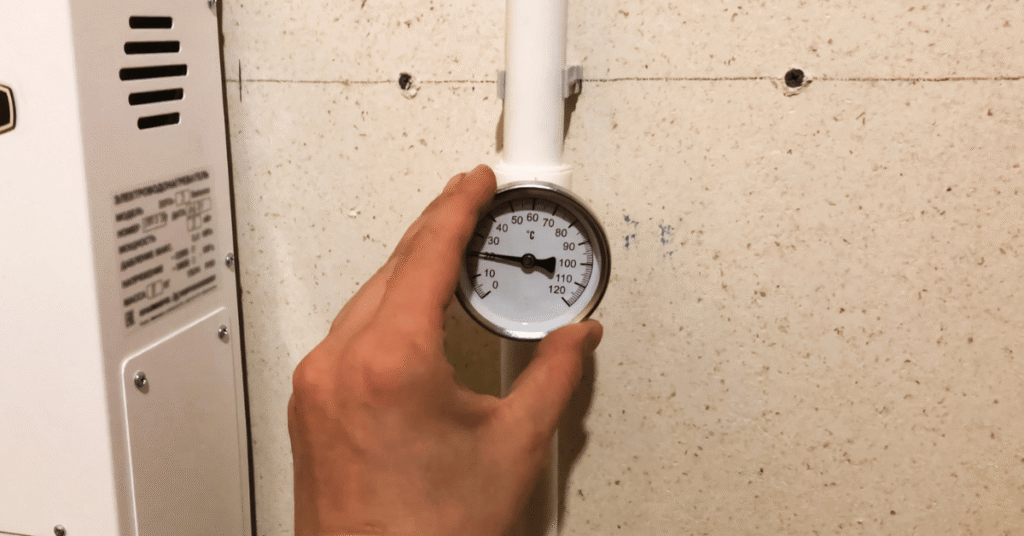
If you notice a change in your water pressure, the first step is to measure it. A plumber can attach a water pressure gauge to your system to provide accurate readings.
- Normal home pressure ranges between 40 and 60 psi
- High water pressure can damage appliances and lead to leaks
- Reduced water pressure signals a blockage, regulator issue, or municipal supply problem
By using a gauge to measure the water, you can quickly identify the possible causes and fix the low water pressure.
What Steps Can Improve Your Water Pressure?
Improving water pressure often requires a mix of cleaning, repair, and installation.
Ways to improve your water pressure include:
- Schedule routine inspection of pipes and valves
- Replace corroded or leaking sections
- Install a water softener to prevent buildup in hard water areas
- Turn the water fully on at shutoff valves
- Check the water supply line regularly
If you’re experiencing low water pressure despite these steps, you may need a pressure booster system or professional repair.
Conclusion: Fix the Low Water Pressure Before It Gets Worse
Low water pressure is more than a daily inconvenience it’s a sign of deeper plumbing or municipal supply problems. The 6 causes of low water pressure usually include:
- Clogged water pipes and sediment buildup
- Faulty or failing pressure regulator
- Hidden leaks in the water system
- Issues with the water meter, water valve, or main water supply
- Fluctuations in the water supplier or municipal water supply
- Corroded or aging pipes that restrict the flow of water
Each problem has a solution, whether it’s pipe cleaning, regulator replacement, water line installation, or adding a pressure booster system. If you’re experiencing low water pressure in your house, don’t wait until the issue causes water damage. Contact your local water utility or a licensed plumber to fix the low water pressure and restore your home’s comfort.
You can visit Platinum HVAC for professional HVAC contractor