 Skip to content



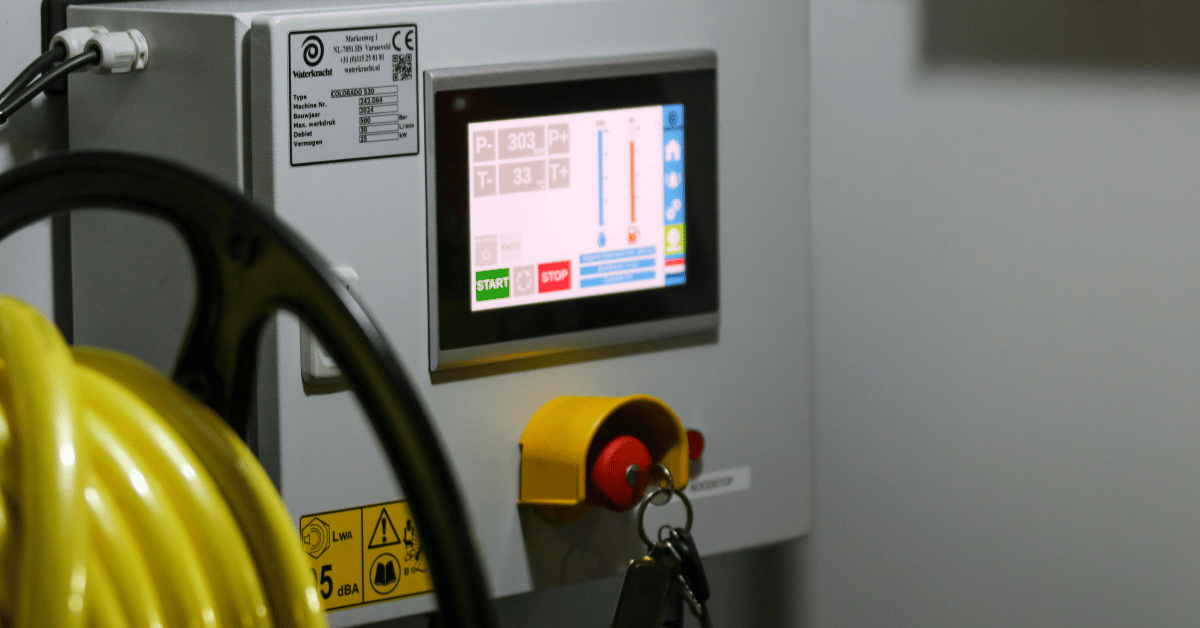
Main Panel vs Sub Panel: Most homeowners don’t think much about their main panel until the lights go out or a new appliance won’t run. Yet, this hidden box of switches and breakers is one of the most important parts of your home’s electrical system. If you’re planning a home addition, remodel, or new HVAC installation, you may hear your contractor mention a sub panel.
So, what exactly is a sub-panel, and how does it differ from the main panel? More importantly, when does your home actually need one? Understanding the difference between a main panel and a sub panel can save you from electrical hazards and ensure your HVAC system works safely and efficiently.
What Is an Electrical Panel?
At the center of every home’s electrical setup is the main panel. This service panel connects directly to the utility service, drawing power from the main lines and distributing it across circuits that power lights, appliances, outlets, and your HVAC system.
Inside the breaker panel, you’ll find circuit breakers. Each breaker protects circuits by shutting off power during overload, keeping the home safe. The main breaker works as the service disconnect that controls the entire house. Located in garages, basements, or the utility room, the main panel is considered the main electrical hub of the entire building.
What Is a Sub-Panel?
A sub panel (or subpanel) is a smaller electrical panel that extends power from the main panel to another part of the house. Unlike the main one, a sub-panel doesn’t connect directly to utility lines. Instead, it draws power from the main panel through a dedicated breaker.
Homeowners often install a sub panel when they:
- Add a detached garage or workshop needing its own load center.
- Expand with a home addition or remodel that needs new circuits.
- Install high-powered equipment such as an HVAC system or inverter.
The sub-panel doesn’t replace the main panel. Instead, the panel and a sub panel work together. The main panel and a sub distribute power safely while providing extra room for new circuits without replacing the entire system.
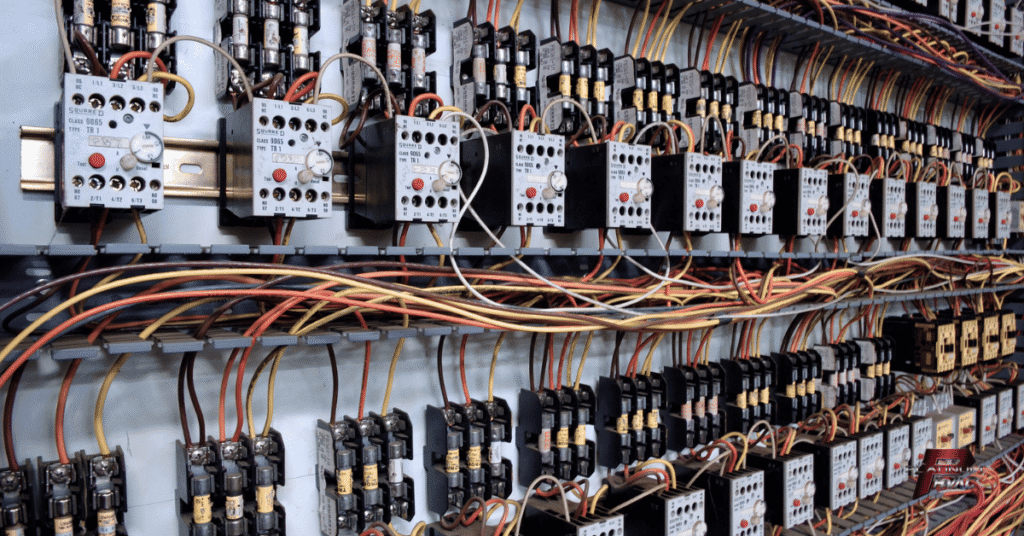
Main Panel vs Sub Panel: Key Differences
Here’s a quick panel vs comparison:
| Feature | Main Panel | Sub-Panel |
| Power Source | Connects directly to utility service | Connected to the main panel |
| Primary Role | Controls the entire home | Powers specific areas |
| Breaker Setup | Includes main breaker and service disconnect | Lower amperage, no main breaker |
| Location | Basement, garage, or utility room | Detached garage, shed, or near HVAC units |
| Use Case | Required in every home | Optional for extra room and new circuits |
This setup makes it easier to manage your home’s electrical needs without replacing the entire main system.
When Do You Need a Sub-Panel?
You may need a new sub panel if:
- Your main panel has no space for dedicated breakers.
- You’re adding power to specific areas like a detached garage or workshop.
- Your remodel or home addition needs new circuits.
- An HVAC system installation requires more power than the main panel can handle.
In short, a sub-panel distributes power to specific areas safely without overloading the main one.
Benefits of Installing a Sub-Panel
- Safety: Helps protect circuits by preventing overload.
- Convenience: Local breaker resets without running way back to the main panel.
- Future Growth: Space for solar power, EV chargers, or a hot tub.
- Organization: Keeps heavy appliances on separate sub-panels.
Drawbacks of Sub-Panels
- Installation requires permits, inspection, and proper grounding.
- Risks of DIY: Improper neutral and ground bonding, loose wiring, or skipped inspection.
- Higher upfront cost but the best solution for homes needing new circuits.
A licensed electrician should always handle sub-panel installation to avoid electrical hazards.
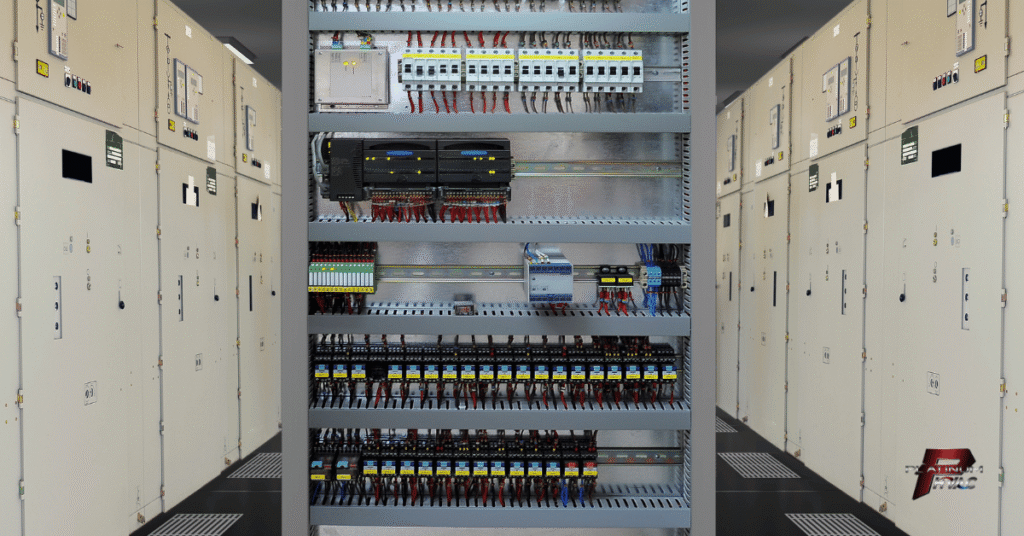
How Sub-Panels Affect HVAC Systems
HVAC systems are high-powered and require dedicated breakers. A sub-panel:
- Keeps HVAC on its own circuit, separate from lights and outlets.
- Prevents surges that damage appliances.
- Extends the life of both the main panel and HVAC equipment.
If you’re adding a new HVAC system installation, furnace, or even solar power, a sub-panel is often part of the project.
How Sub-Panels Are Installed
Professional installation follows these steps:
- Load calculation of the home’s electrical demand.
- Choosing sub panel amperage (60–100 amps).
- Pulling permits and arranging inspection.
- Wiring with proper grounding and neutral bar setup.
- Using metal conduit, wire nuts, and safe disconnect wiring.
This ensures the panel and helps distribute power safely while keeping your home’s electrical system code-compliant.
Common Issues With Sub-Panels
- Improper grounding or ground and neutral bonded together.
- Overloaded circuits from too many appliances.
- Loose connections in the neutral bar or wiring.
Routine cleaning, inspection, and repair by a licensed electrician help avoid hazards.
Professional Help
If you’re in Billings, MT, Platinum HVAC provides safe sub panel installation, repair, and inspection alongside HVAC services. From furnace repair to full AC installation, our licensed electricians ensure your electrical system stays safe and efficient.
Planning a new HVAC or AC installation in Billings? A proper panel load check comes first, and we handle both.
Conclusion
The main panel is the central hub of your home’s electrical system, while a sub-panel adds flexibility, safety, and room for new circuits. Understanding the difference between main and sub-panels ensures your home stays safe, efficient, and ready for future upgrades.
Main Panel vs. Sub-Panel FAQ
What’s the difference between a main panel and a sub?
The main panel connects to utility service and controls the entire building, while a sub-panel distributes power to specific areas.
Can a sub-panel replace the main?
No. The sub-panel draws power from the main, not utility lines.
Do I need one?
If you need more circuits for a remodel, detached garage, or HVAC installation, then yes.