 Skip to content



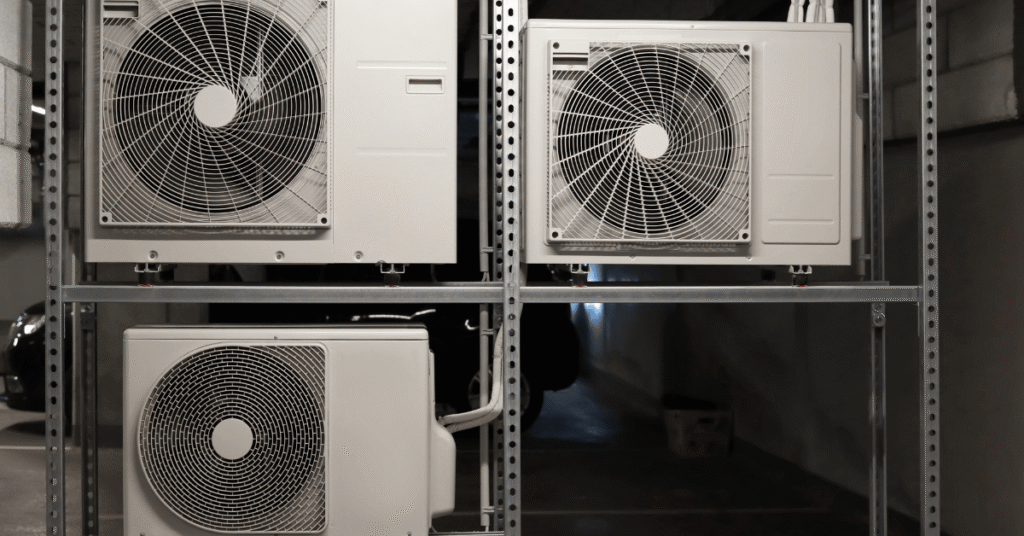
Is Ductless Better Than Central Air For Small Homes? Choosing between a ductless mini split system and a central air conditioner is one of the biggest decisions a homeowner will face when upgrading their cooling and heating. Both systems are effective, but the right choice depends on factors like installation needs, repair requirements, cleaning and maintenance, energy efficiency, and long-term costs.
This guide explains the pros and cons of mini split vs central air so you can decide which option is best for your home.
Central Air Conditioning
A central air system has been the standard for decades in American homes. It distributes cool air through ductwork, reaching every room. A single thermostat controls the temperature across the entire home, keeping conditions uniform.
- Pros: Excellent for larger homes, provides whole-home comfort, and has a traditional appeal for buyers.
- Cons: Installation can be costly, especially if your home doesn’t already have ducts. Repairs and duct cleaning are ongoing needs, and leaks in ductwork can raise energy bills.
A central air conditioner is best suited for homeowners who already have existing ductwork in place or who want central heating and cooling under one system.
What Is a Ductless Mini Split System?
A ductless mini-split system uses an outdoor unit connected to one or more indoor units. Instead of circulating air through ducts, each indoor unit provides conditioned air directly into the space.
- Pros: Easier installation, greater energy efficiency, and independent temperature control per room.
- Cons: Higher initial cost per zone and visible indoor units on walls or ceilings.
Ductless systems are especially popular in smaller homes, apartments, or renovations where installing ducts isn’t practical.
Cost Comparison: Mini Split vs Central Air
When comparing systems cost, homeowners should consider both upfront and long-term expenses:
- Central Air Units: $4,500 – $7,500 (installation with ductwork). Homes with existing ductwork may save on installation.
- Ductless Mini Splits: $3,500 – $6,000 per zone. Multiple zones can increase the initial cost.
Long-term costs:
- Central systems may be less expensive if ducts are in good condition.
- Ductless systems often reduce energy bills by avoiding duct losses, making them more cost-effective in the long run.
Energy Efficiency and Performance
Energy performance is one of the main differences:
- Central Air Conditioning Systems: Lose up to 30% of energy through leaks in ductwork.
- Ductless Mini-Split Systems: Deliver air directly, eliminating duct losses. Many models have higher SEER ratings and function as heat pumps, providing both heating and cooling.
For small homes or those without ducts, ductless systems typically deliver better efficiency and comfort.

Comfort and Indoor Air Quality
Comfort and indoor air quality are influenced by system design:
- Central AC: Maintains consistent temperature throughout the home but may have hot or cold spots depending on duct layout. Requires duct cleaning and air filter replacement to ensure good air quality.
- Ductless Air Conditioner: Allows zoned comfort with better control over each room’s temperature. Units come with advanced air filters that are easy to clean, improving indoor air quality.
Installation and Space Considerations
- Central Air System: Requires ductwork installation, which can be disruptive in older homes. Adding ducts to homes without them is costly.
- Installing a Ductless Mini Split: Faster, less invasive, and usually completed in one day. The indoor unit is compact and requires only a small wall opening.
For homeowners with limited space, ductless systems are often the better choice.
Maintenance and Repair
Both systems require cleaning and repair, but in different ways:
- Central HVAC Systems: Need duct inspections, sealing, cleaning, and air handler servicing. Leaks or blockages in ducts reduce performance.
- Ductless Systems: Simpler upkeep with seasonal cleaning of filters and indoor units. No ductwork means fewer hidden problems and less repair risk.
Routine maintenance ensures either system performs efficiently.

Pros and Cons of Central Air vs Ductless Mini Split Systems
Here’s a side-by-side view of mini split vs central air conditioners:
| Factor | Ductless Mini-Split System | Central Air Conditioning System |
| Installation | Quick, minimal | Complex, ductwork required |
| Initial Cost | Moderate to high | High |
| Energy Efficiency | High (no duct loss) | Moderate |
| Comfort | Zoned control | Whole-home |
| Space Use | Compact indoor unit | Requires large duct system |
| Cleaning & Repair | Simple filter cleaning | Duct cleaning + system repair |
When Ductless Is Best
Choose ductless mini splits when:
- Your home has no existing ductwork.
- You want zoned heating and cooling with independent room control.
- You live in a smaller home, apartment, or addition where ducts aren’t practical.
When Central Air Is Best
Choose a central air conditioning system when:
- Your home already has ducts in place.
- You want uniform cooling system control with one thermostat.
- You prefer the traditional appeal of central HVAC for resale value.
Professional Help for Homeowners
Deciding between ductless air conditioners vs central air units depends on your home’s design, budget, and comfort goals. At Platinum HVAC, professional HVAC contractor can evaluate your space, check your existing ductwork, and recommend whether a mini split air conditioning system or a central ac system is the better choice for your needs.

Conclusion: Is Ductless Better Than Central Air For Small Homes?
Both systems ductless mini-splits and central air conditioners can deliver effective comfort, but the factors to consider include installation, cost, energy efficiency, cleaning, repair, and long-term performance.
- Ductless systems are ideal for small homes, additions, and homeowners who want flexible zoned comfort.
- Central air systems are best for homes with ducts already in place and those seeking traditional central heating and cooling solutions.