 Skip to content




Your furnace contains dozens of components working together to keep your home warm, but few are as important for safety as the pressure switch. This small device acts as a guardian, making sure your heating system operates only when conditions are safe. Without it functioning correctly, your furnace simply won’t run.
What Is A Combustion Air Switch
Most homeowners in Billings never think about this component until something goes wrong. Understanding how it works and recognizing the signs of a faulty pressure switch can save you from unexpected breakdowns during the coldest months. At Platinum HVAC, we’ve helped countless families diagnose issues with furnace pressure switch problems, and we’re here to explain what you need to know.
Understanding the Furnace Pressure Switch
What It Actually Does
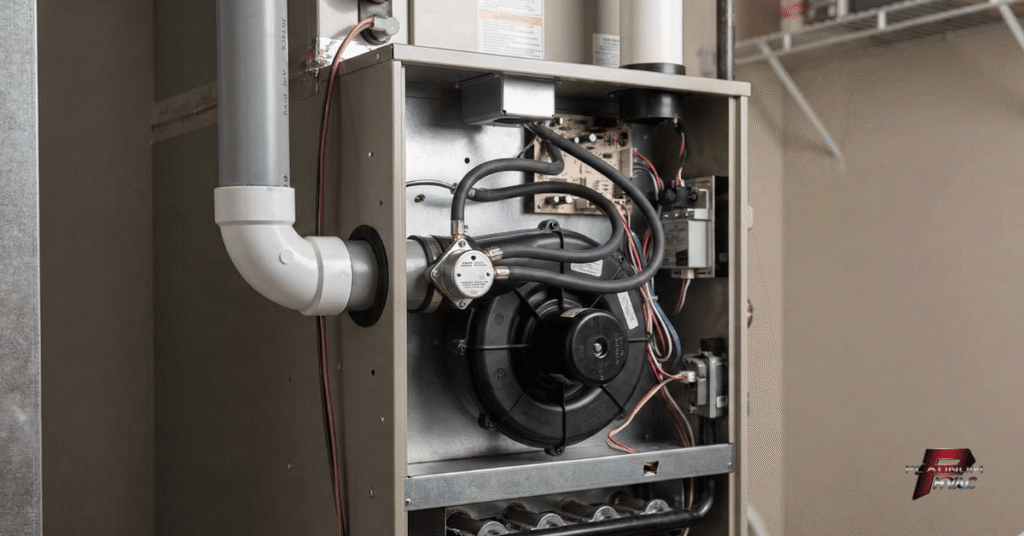
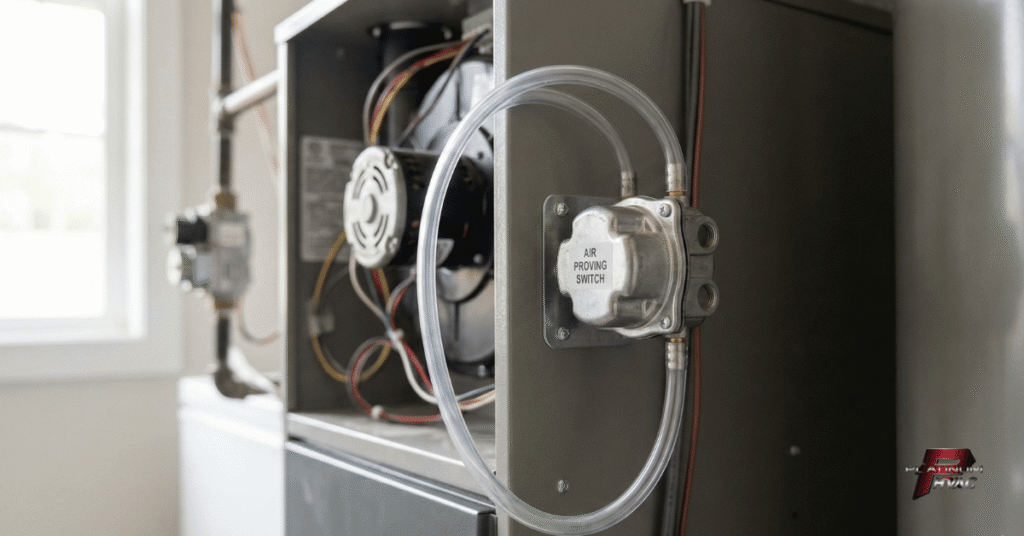
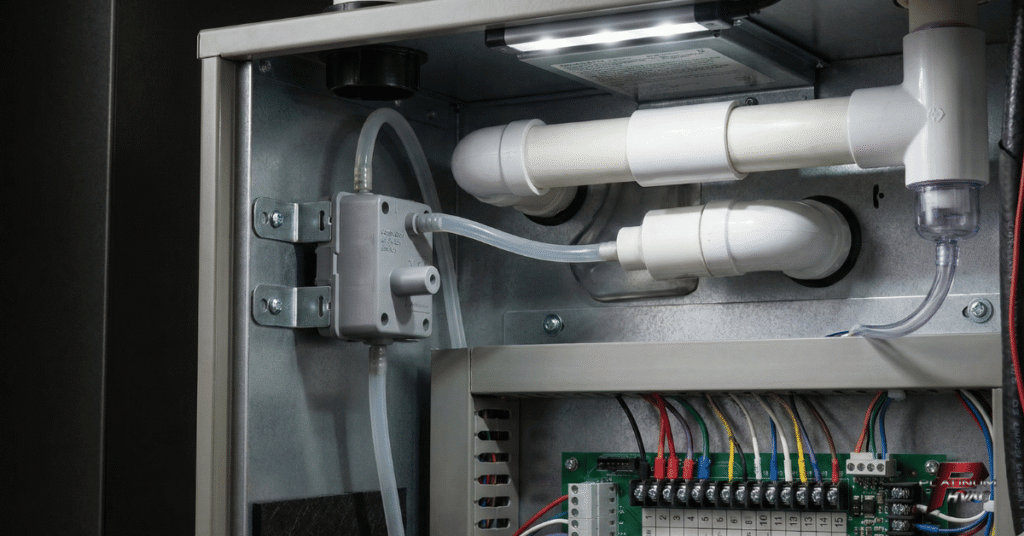
A pressure switch is a safety component that monitors air pressure within the furnace. Think of it as a gatekeeper ensuring proper airflow before allowing your furnace operation to proceed. The switch contains a diaphragm that responds to pressure changes in the venting system.
When your furnace starts up, the draft inducer motor creates negative pressure by pulling air through the system. The pressure switch detects this change and signals the furnace control board that it’s safe to ignite the burners.
How the Switch Functions
The operation happens in a specific sequence:
- Draft inducer motor activates and begins pulling airflow through the furnace
- Air pressure builds in the system and affects the switch diaphragm
- Once proper pressure created by the draft is reached, the switch closes its electrical contacts
- Control board receives the signal and allows gas valve to open
- Ignition sequence to begin proceeds normally
If the pressure switch isn’t detecting enough draft, it stays open and prevents the furnace from firing. This might seem inconvenient when you need heat, but it’s actually protecting you from serious safety hazards.
Why Your Furnace Needs This Safety Feature
Critical Protection for Your Home
The furnace pressure switch exists primarily to ensure safe and efficient operation. Without proper airflow, your furnace can’t burn fuel completely. Incomplete combustion produces carbon monoxide, an odorless and deadly gas that poses serious risks.
The switch ensures adequate ventilation before any gas flows to the burners. If there’s a blockage in your vent or the inducer motor isn’t working correctly, the pressure switch acts to prevent operation.
Impact on Heating System Performance
Beyond safety, this component helps your furnace run efficiently:
- Proper air pressure means complete combustion in the combustion chamber
- Better heat output and lower energy bills
- Consistent comfort throughout your home during heating season
- Prevention of harmful gases from entering living spaces
During Billings winters, your heating and air conditioning system works hard to keep up with temperature demands. A functioning pressure switch ensures reliable furnace operation when you need it most.
Common Signs of a Faulty Pressure Switch
Symptoms You Might Notice
Recognizing the warning signs of a malfunctioning pressure switch can prevent a complete heating breakdown:
- Furnace starts but shuts down quickly during the heating cycle
- No ignition at all when thermostat calls for heat
- Intermittent heating with the blower running but no warmth
- Error codes displayed on modern thermostats related to airflow issues
These symptoms don’t always mean the switch itself is bad. Sometimes the underlying issue involves other components like a clogged hose port or blocked vent pipe.
What Causes Switch Failures
Several factors can affect pressure switch performance. Normal wear and tear takes a toll over time, especially on furnaces that run frequently during Montana’s long winters. The diaphragm moves repeatedly and can become stiff or develop small tears.
Dust and debris buildup in the pressure switch tubing creates false readings. Water condensation sometimes collects in these hoses, particularly in high-efficiency furnaces. Physical damage from age or corrosion causing the switch remains open can also lead to malfunction.
Troubleshooting vs. Professional Furnace Repair
Basic Checks Homeowners Can Perform
Before calling for service, you can safely inspect a few basic items:
- Verify your furnace filter isn’t completely clogged preventing the furnace from getting enough airflow
- Check for a clogged hose connecting to the pressure switch
- Make sure all vent pipes outside your home are clear of snow, ice, or debris
- Listen for the exhaust motor running when heat is called for
- Ensure thermostat settings are correct with working batteries
If the inducer motor creates no sound at all, or if you hear unusual noises, stop your troubleshooting there. These situations require professional attention.
When to Call Qualified HVAC Professionals
Pressure switches involve gas systems and safety mechanisms requiring specialized knowledge. DIY repairs on these components can create dangerous situations, including gas leaks or carbon monoxide buildup.
Professional HVAC technicians have proper testing equipment like a multimeter to measure actual pressure readings. They can determine whether replacing the pressure switch is necessary or if another component is causing the problem. Sometimes what appears to be a faulty pressure switch is actually a blocked flue, failing draft inducer motor, or combustion gases backup.
Platinum HVAC offers 24/7 emergency service for furnace issues in Billings MT. Our technicians arrive prepared with replacement part inventory and diagnostic tools to get your heat restored quickly and safely, preventing potential hazards.
Preventing Pressure Switch Problems
Regular Maintenance Makes a Difference
Annual furnace inspections catch potential problems before they cause breakdowns. During a maintenance visit, technicians perform cleaning of pressure switch tubing, test that the switch opens and closes properly, and verify adequate negative pressure. This preventive approach extends the life of your home’s heating system.
Changing your furnace filter regularly keeps optimal airflow throughout the system. Restricted airflow makes your inducer motor work harder and affects readings. Most homes need filter changes every 1 to 3 months depending on usage.
Billings Climate Considerations
Montana weather creates unique challenges for heating systems:
- Heavy snow can block exterior vents, preventing proper exhaust
- Ice buildup on vent terminations causes pressure issues
- Frozen drain lines can also trigger the pressure switch to malfunction
- Cold temperatures affect condensate drainage in high-efficiency models
After major snowstorms, take a moment to check that your furnace vents remain clear. Proper installation and insulation of drain lines prevent many winter service calls.
Keeping Your Furnace Running Safely
The pressure switch is an essential device that protects your family while ensuring reliable operation throughout Billings’ coldest months. This safety feature monitors airflow, detecting proper airflow before allowing the ignition sequence to start the heating cycle.
If you’re experiencing furnace problems or it’s been more than a year since your last maintenance visit, contact Platinum HVAC. Our family-owned company provides honest service and expert workmanship for all your heating needs, from routine cleaning to repair and installation. Whether you need emergency furnace repair or routine maintenance, our team delivers the reliable care that keeps your home comfortable all winter long.
Don’t wait until your furnace fails on the coldest night of the year. Schedule your furnace inspection today and enjoy peace of mind knowing your heating system is operating in a safe and efficient manner, with the pressure switch is an important component functioning correctly to get your furnace back to optimal performance.