



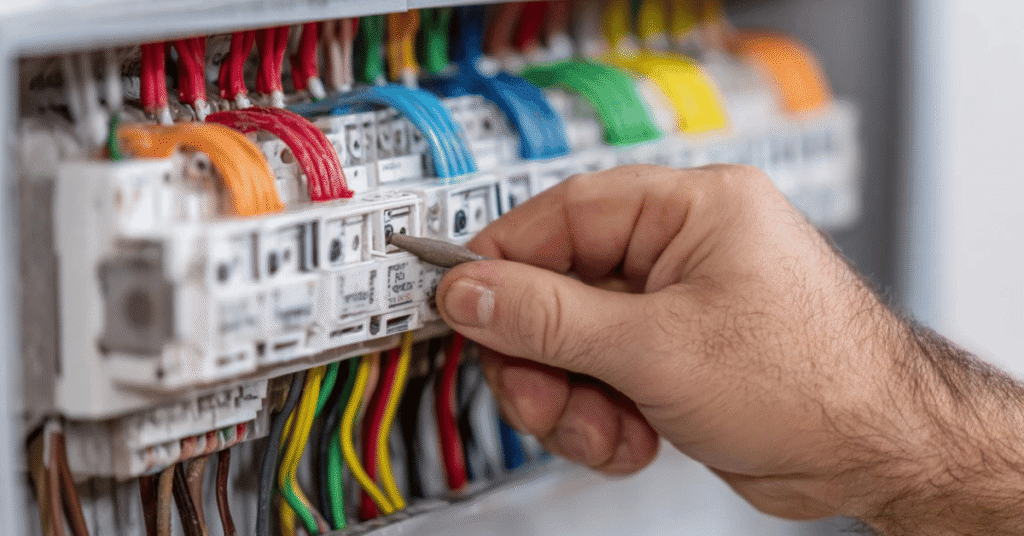
You’ve just removed your old thermostat to install a new smart thermostat, and suddenly you’re staring at a tangle of colored wires. Red, white wire, green wire, and yellow wires, maybe a few others you weren’t expecting. If you’re scratching your head wondering what each wire does, you’re not alone.
Understanding thermostat wire color codes is essential whether you’re upgrading your system or troubleshooting a problem. Most HVAC systems follow standard color coding to make installation and repair easier and safer. While some thermostat work is manageable for handy homeowners, certain situations call for professional HVAC repair in Billings, MT.
Why Thermostat Wire Colors Matter
Thermostat wires are low voltage cables that connect your heating and cooling equipment to your wall thermostat. Each wire carries a specific signal that tells your furnace, air conditioner, or heat pump when to turn on or off. The industry standardized these color codes decades ago to prevent confusion during installation and repair.
Think of it like wiring in your car. Connecting the wrong wire can damage your equipment or prevent your heating and cooling system from working properly. The colors serve as a universal language between homeowners, technicians, and equipment manufacturers.
Thermostat Wire Color Codes
Red Wire (R, Rc, or Rh)
The red wire delivers 24 voltage power from your HVAC system’s transformer to the thermostat. This is the power source that keeps your thermostat running. In some systems, you’ll find two red wires:
- Rc wire powers the cooling system while Rh wire connects to the heating system
- The rh terminal on your thermostat specifically handles heating power
- Some configurations combine both functions into a single R terminal
Green Wire (G)
The green wire controls your system’s fan or blower. When you set your thermostat to “fan on,” this wire signals the blower to run continuously. During normal heating or cooling cycles, other wires activate the fan as needed for proper air circulation and cleaning.
Yellow Wire (Y or Y1)
The yellow wire connects to your air conditioning compressor. When your thermostat calls for cooling mode, it sends power through this wire to start up the outdoor condensing unit:
- Single-stage systems use one yellow wire
- Two-stage systems include a light blue Y2 wire for second-stage cooling
- The cooling wire activates based on temperature demands
White Wire (W or W1)
Your heating system responds to the white wire. Whether you have a gas furnace, electric heat, or another heating source, the white wire connects to signal when to produce heat:
- W or W1 controls first-stage heating
- W2 manages second-stage heating in multi-stage systems
- The W wire controls primary heating functions during cold weather
Blue Wire or Black Wire (C)
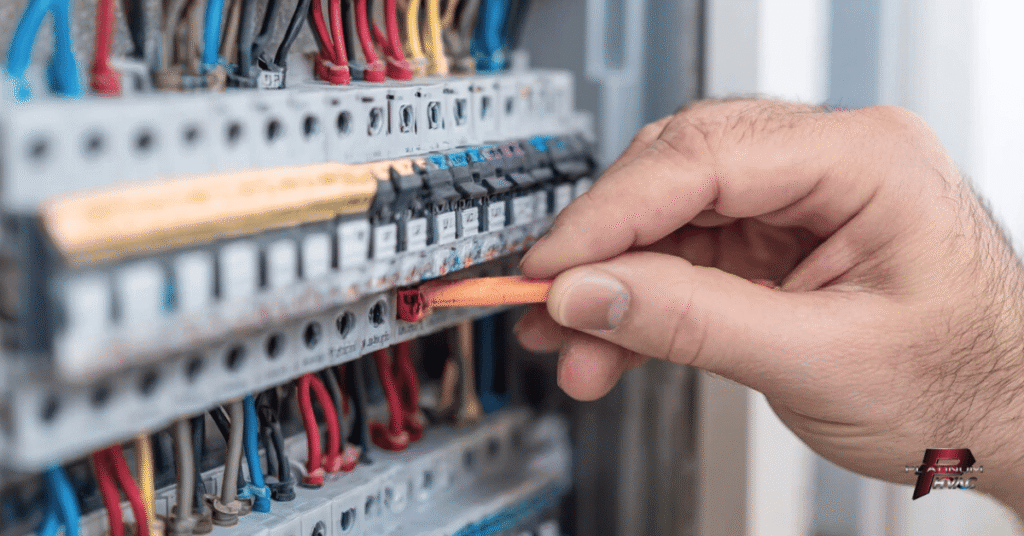
The common wire, usually blue wire or black, completes the electrical circuit back to the transformer. Older thermostats didn’t need this wire, but modern smart thermostats require a C wire or C-wire for constant power. If your home lacks this common wire, you might need professional installation services to add one properly.
Orange Wire (O/B)
Heat pumps use the orange wire to control the reversing valve, which switches the system between heating or cooling modes:
- Some manufacturers use orange (O) while others use B wire designations
- The B terminal handles reverse valve operation in certain configurations
- Brown wire occasionally substitutes in older systems
Additional Wires in Advanced Systems
Modern HVAC systems often include extra wires for better comfort and efficiency. These advanced configurations support features beyond basic thermostat wiring:
- Auxiliary heat wires provide backup heating in heat pump systems during extremely cold weather
- Humidity control wires connect to whole-home humidifiers or dehumidifiers for improved air quality
- Emergency heat terminals allow manual override of heat pump systems when needed
- Second-stage wires (Y2, W2) manage multi-stage heating and cooling equipment
- An 8th wire may appear in communicating thermostat systems for advanced digital communication
The more sophisticated your system, the more wires on your thermostat you’ll find. Platinum HVAC regularly works with complex configurations throughout Billings, MT, and can help identify unusual wiring setups during installation or repair projects.
What If Your Wire Colors Don’t Match Standard Configuration?
Not every system follows the textbook common color scheme. Previous homeowners or contractors might have used whatever wire was available during repairs or cleaning of damaged sections. Some older systems use completely different color conventions, especially in homes built before the 1990s.
If your wires don’t match standard thermostat color patterns, take a photo before disconnecting anything. The terminal labels on your old thermostat matter more than the wire colors themselves. Label each wire with its terminal designation before removal. When in doubt, calling for professional heating repair in Billings, MT saves you from potential equipment damage.
Common Wiring Mistakes to Avoid
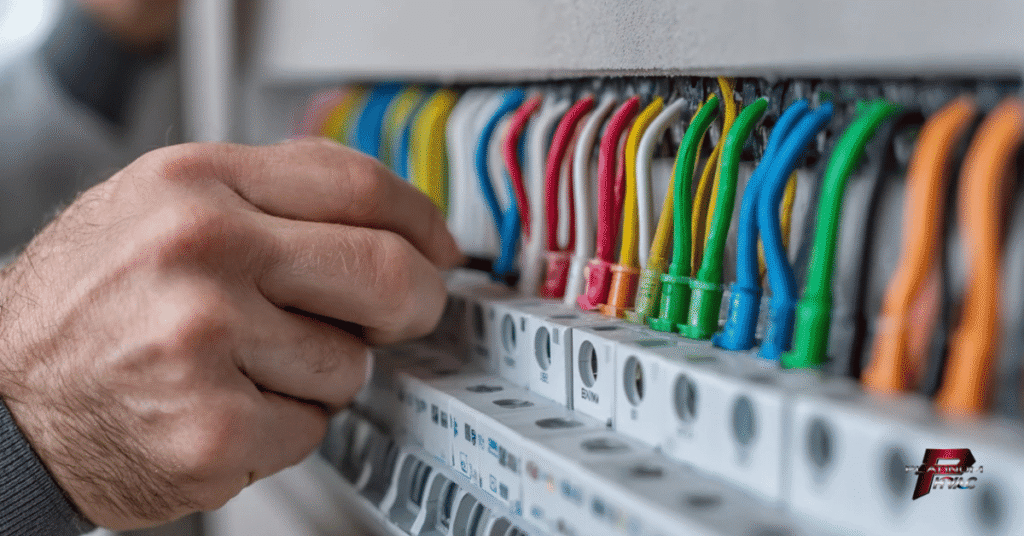
Even with color-coded wires, mistakes happen during installation. Never assume all HVAC systems are identical. Always verify your specific equipment’s wiring diagram or thermostat manual before making changes. Check both your thermostat and HVAC control board for proper wire connections.
Twisted or frayed wires cause intermittent problems that frustrate homeowners and technicians alike:
- Damaged insulation creates safety hazards and system failures
- Loose wire connections prevent reliable heating and air operation
- Incorrect terminal assignments damage sensitive equipment
- Missing C-wire installations cause smart thermostat malfunctions
If your wires look damaged during cleaning or inspection, don’t try to extend them with electrical tape. This is one situation where emergency HVAC service prevents bigger problems down the road.
Understanding Thermostat and HVAC System Communication
A guide to thermostat operation shows how each wire signals specific functions. The thermostat uses low voltage electrical signals to communicate with your heating and cooling system. Wire signals travel through color-coded cables to activate different components.
When you’re installing a smart thermostat, the device may require additional wire connections compared to basic digital thermostats. The thermostat manufacturer provides specific instructions for wire a thermostat installation. Understanding thermostat wiring helps you identify which wire connected to each terminal.
Basic thermostat wiring includes power, heating, cooling, and fan control circuits. More advanced systems add reversing valves, auxiliary heating, and two-stage operation. A common thermostat may have five to eight wire connections depending on system complexity.
When to Call Platinum HVAC
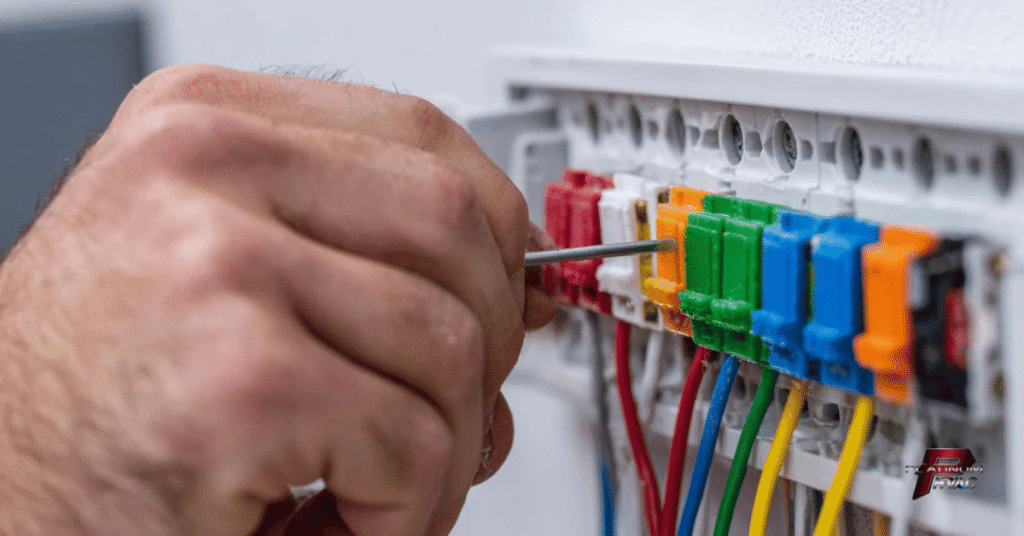
Understanding wire colors helps with basic troubleshooting, but some situations require professional expertise. Contact Platinum HVAC for air conditioning repair, heating repair, or thermostat installation when you notice:
- Exposed or damaged wire insulation during cleaning or inspection
- Burning smells near your thermostat or equipment
- Your system not responding after a DIY thermostat installation attempt
- Missing C-wire or other wires needed for your new smart thermostat
- Uncertainty about your system’s configuration or HVAC wiring diagram
- Questions about whether a wire may be miswired or damaged
Our team provides 24/7 emergency HVAC service in Billings, MT for urgent situations. We also offer regular HVAC maintenance that includes checking all electrical connections, preventing wire-related failures before they leave you without heat or air conditioning. Trust Platinum HVAC for expert installation, repair, and cleaning services.